

What Is Rotator Cuff Pain?
Rotator cuff pain is felt at the front and side of your shoulder and upper arm. It can be caused by tendinitis, tears, or tendinosis and can lead to problems like restricted arm movement.
Source: Verywell health
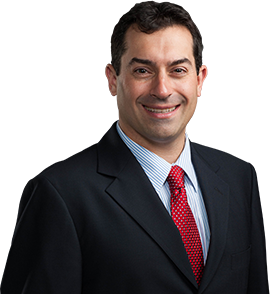
Orthopedic & Sports Medicine
James M. Paci, MD joined the Orlin and Cohen Orthopedic Group as the Director of Orthopedic Surgery and Sports Medicine for Suffolk County in 2018 and is an Associate Professor of Orthopedic Surgery at the Donald and Barbara Zucker School of Medicine at Hofstra/Northwell. He is a board-certified sports medicine orthopedic surgeon specializing in the care of athletes and disorders of the shoulder, elbow and knee.
 Dr. Paci named as 2015 - 2017




Rotator cuff pain is felt at the front and side of your shoulder and upper arm. It can be caused by tendinitis, tears, or tendinosis and can lead to problems like restricted arm movement.
Source: Verywell health
MCL injuries frequently occur while participating in sports. They are usually caused by twisting, cutting (making quick directional changes), or bending movements.
Source: Verywell Health
In patients undergoing primary ACL reconstruction with a meniscal tear, partial meniscectomy may increase the risk for revision ACL surgery and conversion to total knee arthroplasty, according to results
Source: Healio
Shoulder pain is the third most common musculoskeletal complaint seen by doctors, affecting approximately 18-31% of the global population each month. Up to 85% of these cases are due to problems with the rotator cuff (RC)-the shoulder's built-in support system. Made up of four muscles and their tendons, the RC keeps the upper arm bone securely in the socket while allowing the arm to lift, rotate, and move smoothly.
Source: Medical Xpress
A fractured clavicle, or fractured collarbone, generally occurs from a fall onto the shoulder or after enough pressure is placed on the bone that it breaks. The fracture may be partial or complete and often requires surgical repair or immobilization while it heals.
Source: Verywell health
Most patients aged 50 years and older who underwent ACL reconstruction reported being satisfied with their surgery. Patients had a graft failure rate of 7.1% and a low conversion rate to TKA.
Source: Healio
Stiff knees and aching hips may seem like an inevitable part of aging, but experts say we’re getting osteoarthritis all wrong. Despite affecting nearly 600 million people worldwide - and potentially a billion by 2050 - the most powerful treatment isn’t surgery or medication. It’s exercise. Movement nourishes cartilage, strengthens muscles, reduces inflammation, and even reshapes the biological processes driving joint damage.
Source: ScienceDaily
Cheerleading is rising in popularity, with competitive cheer now being recognized as an Olympic sport, possibly leading to an Olympic debut in the near future. These athletes present with issues such as pressure for a quick return, concerns for decreased bone density, and injury patterns unique to these athletes.
Source: AOSSM
"We found both the [Western Ontario Shoulder Instability Index (WOSI)] score and the [American Shoulder and Elbow Surgeons] score correlates significantly with this PAS scale," Kuhn, Kenneth D. Schermerhorn professor and chief of the division of sports medicine in the department of orthopedic surgery at Vanderbilt University Medical Center, said. "Psychology matters when they come to your office."
Source: Healio
When the symptoms of a rotator cuff tear are acute, meaning there is a sudden flare-up of symptoms, it may be helpful to rest the shoulder to allow the inflammation of the injury to settle down.
Source: Verywell health