


Meet James M. Paci, MD
Orthopedic & Sports Medicine
ACL, Shoulder, and Elbow Surgery on Long Island






Areas of Expertise

-
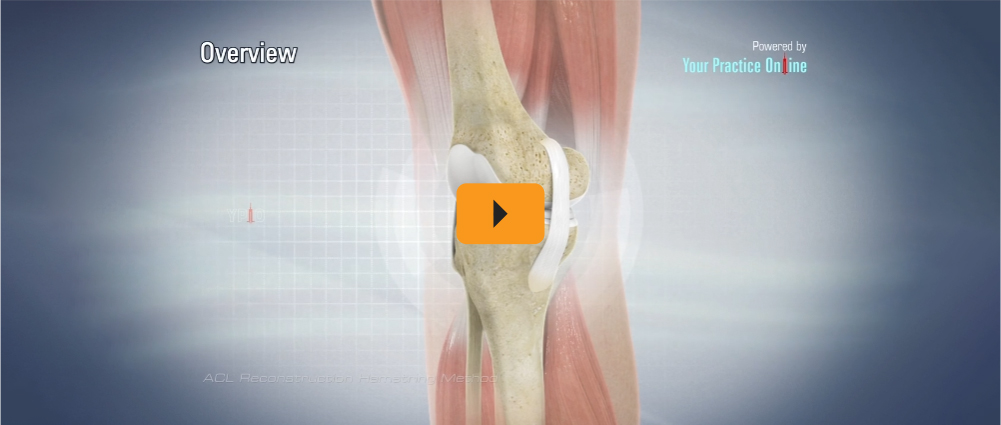
ACL
ReconstructionThe anterior cruciate ligament is one of the major stabilizing ligaments in the knee...
Read More -
Tommy John
SurgeryUlnar collateral ligament (UCL) reconstruction surgery involves replacing a torn ulnar...
Read More -
Rotator Cuff
RepairRotator cuff is the group of tendons in the shoulder joint providing support...
Read More -
Shoulder Labrum and
Instability RepairThe shoulder joint is a ball and socket joint. A 'ball' at the top of the upper arm bone...
Read More
Experience Across Every Level of Sport Trusted by Athletes. Focused on Every Patient.
Dr. Paci has over two decade of experience serving as a team physician for professional, collegiate and high school athletic programs. That experience informs a practical approach to injury management, recovery and return-to-play decisions.
The same level of attention is provided to every patient—whether the goal is returning to competitive sport, work, exercise or comfortable daily movement.
- Professional sports team coverage
- Collegiate athletic care
- Long Island high school sports support
- Sports safety and injury-prevention involvement
- Care for athletes and active adults of different ability levels





Frequently Asked Questions
Does Dr. Paci only treat professional athletes?
No. Dr. Paci treats competitive athletes, student-athletes, recreational athletes, weekend warriors and active adults. Care is personalized around each patient’s injury, daily activities, sport, competition level and goals.
Why does my shoulder hurt when I throw or reach overhead?
Shoulder pain with throwing or overhead movements can have several causes, including rotator cuff irritation or tears, shoulder impingement, labral injuries, instability, or inflammation. Repetitive overhead activity can place significant stress on the shoulder. If pain persists, limits your activity, or is accompanied by weakness or a feeling of instability, an orthopedic evaluation can help identify the underlying cause.
What are common signs of a rotator cuff tear?
Common symptoms of a rotator cuff tear include shoulder pain, particularly when lifting or lowering the arm, weakness, reduced range of motion, and difficulty performing overhead activities. Some people may also experience pain at night or while sleeping on the affected shoulder. A sudden tear may cause immediate pain and weakness, while degenerative tears can develop more gradually.
What is a UCL injury in the elbow?
A UCL, or ulnar collateral ligament, injury involves damage to a ligament on the inner side of the elbow that helps stabilize the joint during throwing and other activities. UCL injuries are particularly common among baseball pitchers because repetitive throwing can place substantial stress on the ligament. Symptoms may include inner-elbow pain, decreased throwing performance, or a feeling of instability.
Does every UCL tear require Tommy John surgery?
No. Not every UCL tear requires Tommy John surgery. Treatment depends on factors such as the severity and location of the tear, the patient's age and activity level, symptoms, and goals. Some injuries may improve with rest, rehabilitation, activity modification, or other nonsurgical treatments. Surgery may be considered when the ligament is significantly damaged or symptoms persist despite appropriate nonsurgical care.